
Adaptive Leadership in Action: How Community Collaboration is Helping More Young People Succeed in East King County
Big community problems rarely have simple solutions.
Challenges like education gaps, access to opportunity, and supporting families cannot be solved by one organization alone. They require communities to work together. They also require institutions across sectors: schools, nonprofits, government, and community organizations, to align their efforts around shared goals. In East King County, a nonprofit partnership, Eastside Pathways is helping make that collaboration possible.
Through partnerships across schools, nonprofits, healthcare organizations, businesses, and local government, Eastside Pathways is working toward one goal: helping every child succeed from cradle to career (ages 0 – 26). As a regional backbone partnership, Eastside Pathways helps bring these sectors together to align strategies, share learning, and strengthen the systems that support young people and families across the region.
At the heart of this work is a commitment to ensuring that the lived experience and wisdom of youth, families, and community members meaningfully shape the work.
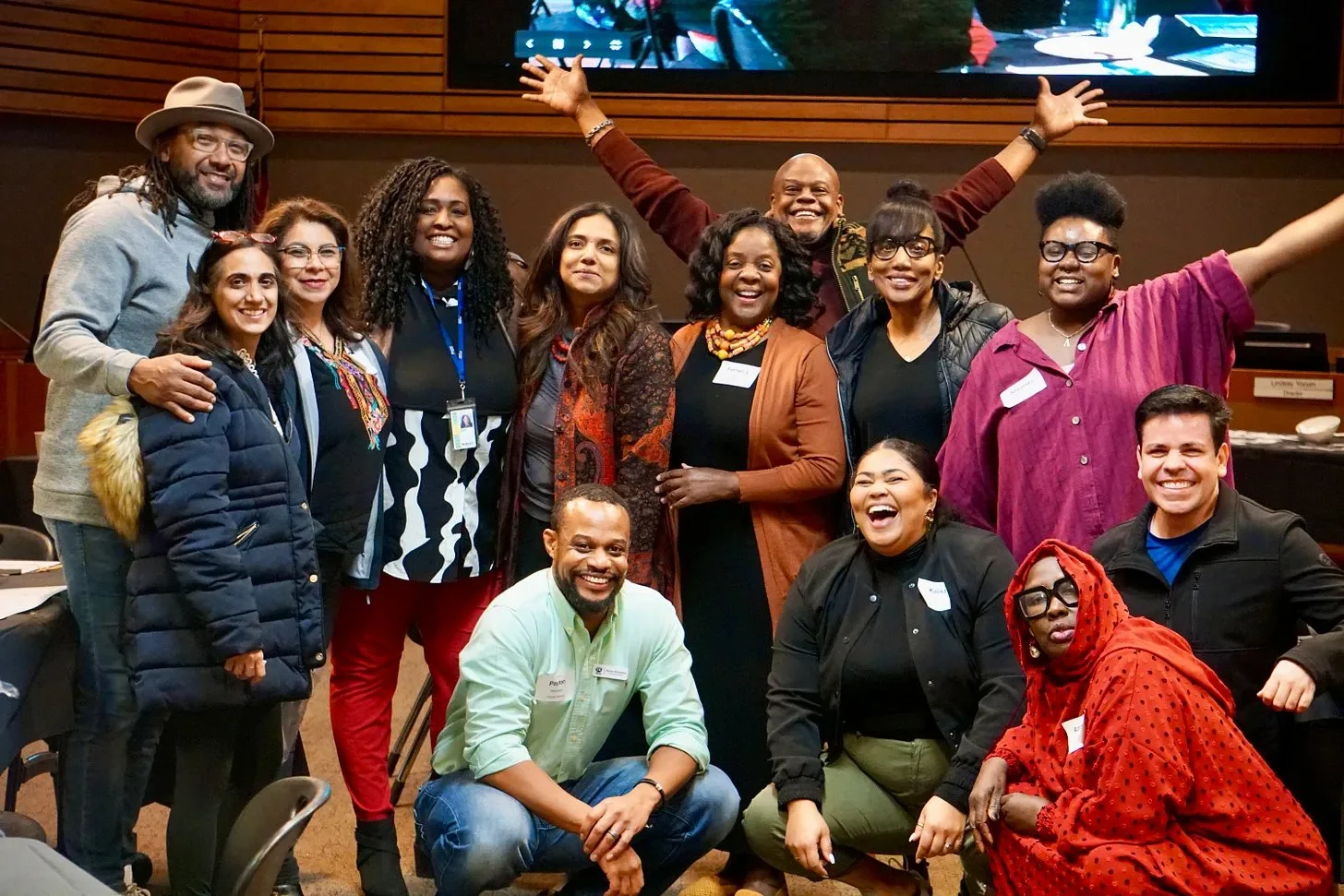
Leaders like Sandy Nathan help cultivate these conditions across the partnership, building trust and relationships that allow organizations, institutions, and community members to collaborate in authentic and sustained ways. Eastside Pathways places strong emphasis on building relationships with parents, caregivers, youth, and community partners so that engagement never feels extractive or transactional, but grounded in trust, shared learning, and mutual accountability.
A Community Effort
Founded in 2011, Eastside Pathways connects more than 80 organizations that are committed to improving outcomes for children and youth in East King County.
The partnership uses the Collective Impact approach, bringing organizations together around a shared vision, common goals, shared performance metrics, and data to guide progress. In this model, partners coordinate their work rather than operating independently, allowing the region to address complex challenges facing youth and families more effectively.
Eastside Pathways serves as the backbone organization, convening partners, supporting collaboration, helping track progress toward shared outcomes, and working with partners to surface policy barriers and advocacy opportunities that affect youth and families across the region.
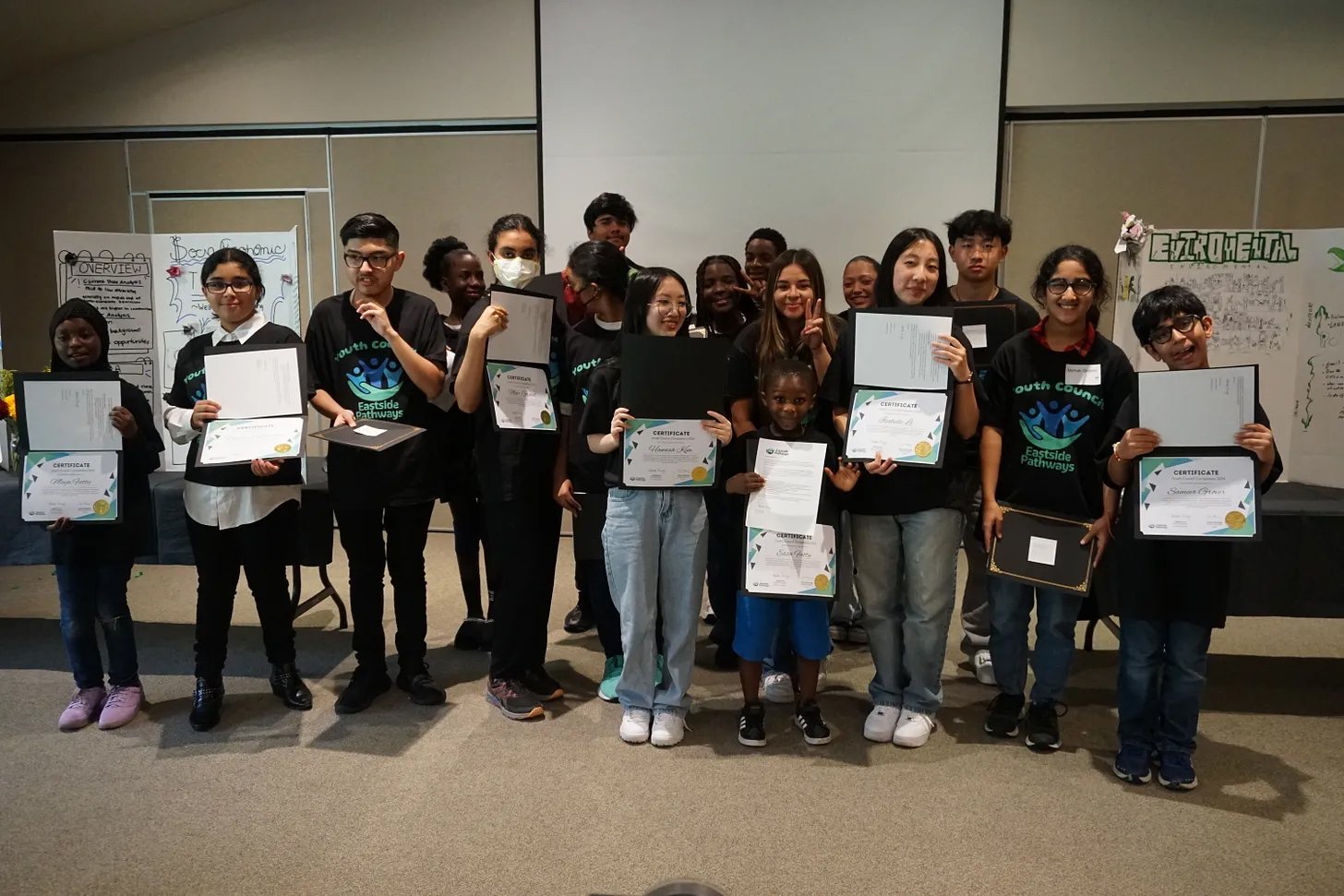
The partnership focuses on key milestones in a child’s life, including early learning, academic success, high school graduation, and preparation for college or careers alongside safety and a sense of belonging that contribute to the holistic well-being of youth.
By coordinating their work, organizations can reach more families and create solutions that last. This collective approach helps strengthen the entire ecosystem supporting young people—from classrooms and community programs to policy and funding decisions that shape opportunity over time.
What Is Adaptive Leadership?
One of the ideas that guides this work is adaptive leadership.
Adaptive leadership focuses on addressing complex challenges where solutions are not immediately clear and require learning, experimentation, and collaboration. Rather than relying on a single leader or a predetermined solution, communities and institutions work together to examine challenges, test new approaches, and adapt based on what they learn. This approach recognizes that improving outcomes for young people often requires shifts in practices, relationships, and systems across organizations.
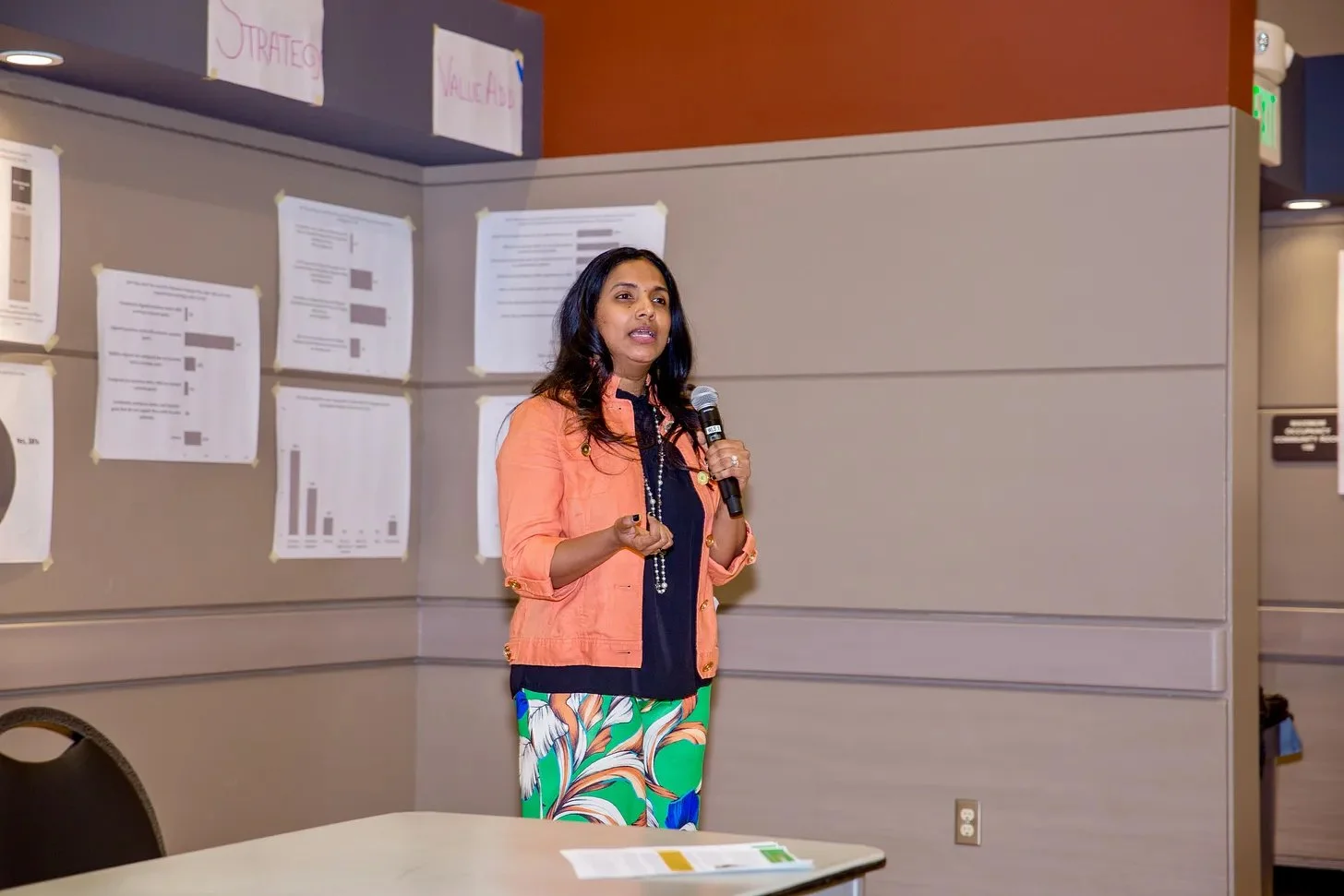
During a recent conversation, Sandy Nathan shared insights on how adaptive leadership helps organizations move from good intentions to real impact.
“Real progress happens when organizations build trust, share learning, and align around a common goal.”
This approach encourages collaboration, openness, and continuous learning — all essential when addressing challenges that affect entire communities.
Moving Beyond Individual Programs
Many nonprofits run programs that serve specific groups of people. These programs are important, but they often reach only a limited number of individuals.
Eastside Pathways focuses on improving systems, the larger networks of services, policies, and resources that shape opportunities for young people. Through shared data, policy insights, and coordinated advocacy, partners work together to identify barriers and advance changes that improve outcomes for youth across the region.
Insights from this work often inform regional conversations about policy and funding, helping public agencies, school districts, and community organizations make more informed decisions about how to support young people.
Centering Equity
At the core of this work is equity.
Not every student has the same access to opportunity. Some young people face barriers related to income, race, language, or access to resources.
Eastside Pathways works to ensure that community voices, especially those historically underrepresented, are included in conversations and decision-making. This includes creating opportunities for youth, families, and community partners to participate in shaping strategies and solutions that affect their lives.
Listening to families and community members ensures solutions reflect real experiences and real needs. When those closest to the challenges are part of designing solutions, communities are more likely to build approaches that are both effective and sustainable.
Building a Stronger Future Together
The work happening in East King County shows what can happen when communities focus on shared goals instead of working alone.
By bringing organizations together, encouraging collaboration, and practicing adaptive leadership, Eastside Pathways helps create stronger support systems for young people and families. The partnership’s role as a regional convener allows diverse organizations to align their efforts, strengthen accountability, and work toward lasting improvements in youth outcomes.
And leaders like Sandy Nathan remind us that meaningful change takes time, trust, and collective effort.
But when communities learn and adapt together, lasting progress becomes a reality.
To learn more, visit www.eastsidepathways.org